
© 2026 Geekify. All rights reserved.
© 2026 Geekify. All rights reserved.
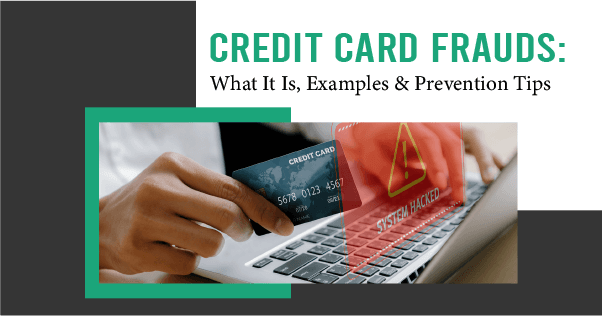
Credit cards make life easier. We use them for shopping, paying bills, booking tickets, and even daily groceries. But with this convenience comes a serious risk — credit card fraud.
Every year, thousands of people lose money because of fraudulent credit card activities. Many victims do not even realize they have been scammed until their bank balance suddenly drops. In Australia, credit card fraud is rising due to online shopping, fake websites, and digital scams.
In this article, we will explain what credit card fraud is, provide real examples, explain how it happens, and most importantly, provide credit card fraud prevention and protection tips to keep your money safe.
So first, let’s understand what credit card fraud is in simple words.
1. Unauthorized Use of Your Card Information
Credit card fraud starts when someone gets access to your card details and uses them without your consent. You do not need to lose your physical card for this to happen. Fraudsters can make payments using only your card number, expiry date, and CVV. They often use credit card information to shop online, pay for services, or make international transactions. Many people only discover identity theft after checking their bank statement or receiving a fraud alert from their bank.
2. Multiple Ways Fraudsters Steal Card Details
Fraudsters use many tricks to steal card information. They create fake shopping websites that look real and ask you to enter your card details. Some send phishing emails or SMS messages pretending to be from banks or delivery services. Data breaches from online stores can also expose card information. In physical locations, skimming machines may be placed on ATMs or payment terminals to copy debit card data without your knowledge.
3. Fast Spending Before You Notice
Once criminals get your card details, they act quickly. They often test the credit card issuer with a small charge and then make bigger purchases. Their goal is to spend as much money as possible before you notice anything wrong. This is why checking your transactions regularly is very important.
Understanding examples helps you recognize danger early. Here are some common credit card frauds people face today.
1. Online Shopping Fraud
Online shopping fraud happens when criminals use stolen credit card details to buy products from online stores. These purchases are often made quickly, sometimes from international websites. Many victims do not realize the potential fraud until they check their card statement and see charges they never made. This type of credit card theft is very common because online shopping only needs basic card information.
2. Phishing Emails and Messages
Phishing scams come through emails or SMS messages that look like official bank alerts. These messages try to scare people by saying their card is blocked or that suspicious activity is detected. When victims click the link and enter their details, scammers steal the information instantly and misuse the credit card number.
3. Card Skimming
Card skimming happens at ATMs or payment machines. Fraudsters attach hidden devices that copy your card data when you insert it. You may not notice anything unusual, but your card information is stolen silently.
4. Fake Subscription Charges
In this fraud, scammers charge small monthly amounts. Because the amount is low, many people ignore it. Over time, these charges add up and cause serious financial loss.
5. Phone Call Scams
Scammers pretend to be bank staff and call victims. They ask for OTPs or CVV numbers. Once shared, the card is compromised immediately.
6. Lost or Stolen Card Misuse
If a credit card is lost or stolen, criminals may use contactless payments before the card is blocked.
These are real-life examples of fraud credit card crimes happening daily.
Understanding why Australia is a target can help you stay alert and protect your money before fraud happens.
1. Increase in Online Shopping and Digital Payments
Credit card frauds in Australia is rising mainly because more people now shop online and use digital payment methods. From groceries to travel bookings, credit cards are used everywhere. This gives scammers more chances to steal card details and misuse them, especially on fake or unsecured websites.
2. Heavy Use of Contactless Cards
Contactless payments are very popular in Australia because they are fast and convenient. However, if a card is lost or stolen, fraudsters can make multiple small payments before the card is blocked. This makes contactless cards an easy target for quick fraud.
3. Trust in Emails, Messages, and Calls
Many Australians trust emails, SMS messages, and phone calls that appear to come from banks or delivery services. Scammers take advantage of this trust by sending fake Australia Post messages or pretending to be bank staff, which leads people to share sensitive details.
4. Rise of Buy-Now-Pay-Later and Marketplace Scams
Fraudsters misuse credit cards on buy-now-pay-later platforms and online marketplaces. These platforms process payments quickly, giving scammers less chance of being stopped.
5. Human Error Is the Biggest Weak Point
Australian banks use strong security systems, but scammers focus on human mistakes. This is why personal awareness and careful habits are key to credit card fraud protection.
That’s why credit card fraud protection is not just the bank’s job — it’s also your responsibility.
Many victims feel confused when they see unknown charges on their card and wonder how it happened so fast. Credit card fraud usually follows a planned process. Scammers work quickly and silently, often completing the entire fraud within minutes.
1. Collecting Card Information
Fraudsters first collect card details using fake websites, malicious software, or unsecured public Wi-Fi networks. Sometimes card data is leaked from online stores after a data breach. Victims often have no idea their information has been stolen.
2. Verifying the Card with Small Charges
After getting the card details, scammers test the card by making a small transaction. This helps them confirm that the card is active and has available funds.
3. Making Large Purchases
Once the card works, fraudsters move fast. They make big purchases, buy gift cards, or pay for expensive services before the card owner notices anything wrong.
4. Converting Purchases into Cash
Criminals often resell goods online or transfer money through digital wallets. This makes the stolen money harder to trace and recover.
5. Acting Before Detection
Fraudsters rely on speed. They aim to finish everything before banks or cardholders detect suspicious activity, which is why quick monitoring is essential.
Preventing credit card fraud is much easier than fixing the damage after it happens. With a few smart habits, you can greatly reduce the risk of fraud and keep your money safe. Most scams succeed because of small mistakes, not because of weak bank systems.
1. Never Share Your Card Details
Your bank will never ask for your CVV, OTP, or full card number through calls, emails, or messages. If anyone asks for these details, it is a scam. Keeping this information private is the first step in credit card fraud prevention.
2. Protect Your Accounts with Strong Passwords
Use strong, unique passwords for your bank apps, email accounts, and shopping websites. Weak or repeated passwords make it easier for scammers to access your information.
3. Turn On Transaction Alerts
SMS and app alerts help you notice suspicious activity instantly. Early detection allows you to block your card before major losses happen.
4. Avoid Payments on Public Wi-Fi
Public Wi-Fi networks are not secure. Avoid entering card details when using open networks in cafés, airports, or public places.
5. Stay Careful While Shopping Online
Shop only on trusted websites. Look for HTTPS, real contact details, and genuine reviews. Checking your card statements regularly adds an extra layer of safety.
Discovering credit card fraud can be stressful, but quick action can limit the damage. The faster you respond, the higher your chances of recovering the money. Most banks in Australia have strong fraud protection systems, but they depend on customers reporting issues on time.
1. Block Your Card Immediately
As soon as you notice suspicious activity, block your card. You can do this through your banking app or by calling your bank’s helpline. Blocking the card stops further unauthorized transactions.
2. Report the Fraudulent Transactions
Contact your bank and report all unauthorized charges. Provide clear details so the bank can investigate. Early reporting increases the chance of a refund under zero liability protection.
3. Change All Important Passwords
Update passwords for your email, bank apps, and online shopping accounts. This prevents scammers from using the same access again.
4. File a Police Report If Needed
Some banks require a police report for large fraud cases. This also helps create an official record of the crime.
5. Monitor Your Credit Report
Check your credit report regularly to ensure no new loans or credit cards are opened in your name. Ongoing monitoring adds long-term protection.
Technology provides important protection, but it cannot stop credit card fraud on its own. Scammers focus on human mistakes, using fake emails, calls, or urgent messages to trick people into giving card details. Many frauds succeed because people panic or act too quickly without checking.
Awareness and careful habits are your strongest defense. Always stay calm, verify messages or calls with your bank, and never share card information. By being alert and cautious, you can prevent fraud and protect your money effectively.
1. What is credit card fraud in simple words?
Credit card fraud is when someone uses your card details without your permission to spend money.
2. Are credit card frauds common in Australia?
Yes, credit card frauds in Australia is increasing, especially through online scams and fake messages.
3. Can banks refund fraudulent credit card transactions?
Most banks refund the amount if you report the fraud quickly.
4. How can I prevent credit card fraud?
Do not share card details, avoid public Wi-Fi, and check your statements regularly.
5. Is contactless payment safe?
Yes, but only if your card is not lost or stolen and you monitor transactions.
6. What should I do first if fraud happens?
Block your card immediately and inform your bank.
Credit cards are powerful tools, but they must be used carefully. Understanding what credit card fraud is, recognizing real-life examples, and following credit card fraud prevention and protection tips can help you avoid financial stress.
In Australia and worldwide, scams are becoming smarter — but you can be smarter too.
Stay alert. Stay informed. Protect your money.
Book Online

In today's digital age, scammers are getting smarter. One of their most dangerous tricks is called a Remote Access Scams. They use programs like AnyDesk, TeamViewer, or other tools to take control of your computer.
Publish date: 03 June 2025

Phriendly Phishing is a safety innovation training platform designed to help individuals and organizations combat phishing scams and enhance cybersecurity awareness. As phishing becomes one of the most prevalent online threats to cybersecurity.
Publish date: 19 May 2025

The term ‘vishing’ is short for "voice phishing attack." It’s a type of cyberattack where scammers use phone calls or voice messages to trick people into revealing personal, financial, or sensitive information. Unlike traditional phishing, which often involves emails, vishing scams rely entirely on voice communication.
Publish date: 08 May 2025

Scams have evolved in today’s digital age, extending beyond traditional methods to target mobile phones and personal information. Smishing meaning, a form of fraud using text messages, is one such alarming threat. Cybercriminals send deceptive messages pretending to be trusted organizations, tricking individuals into sharing sensitive details or clicking harmful links.
Publish date: 01 January 1970